Shipping cars from China to Venezuela: ports, transit time and costs
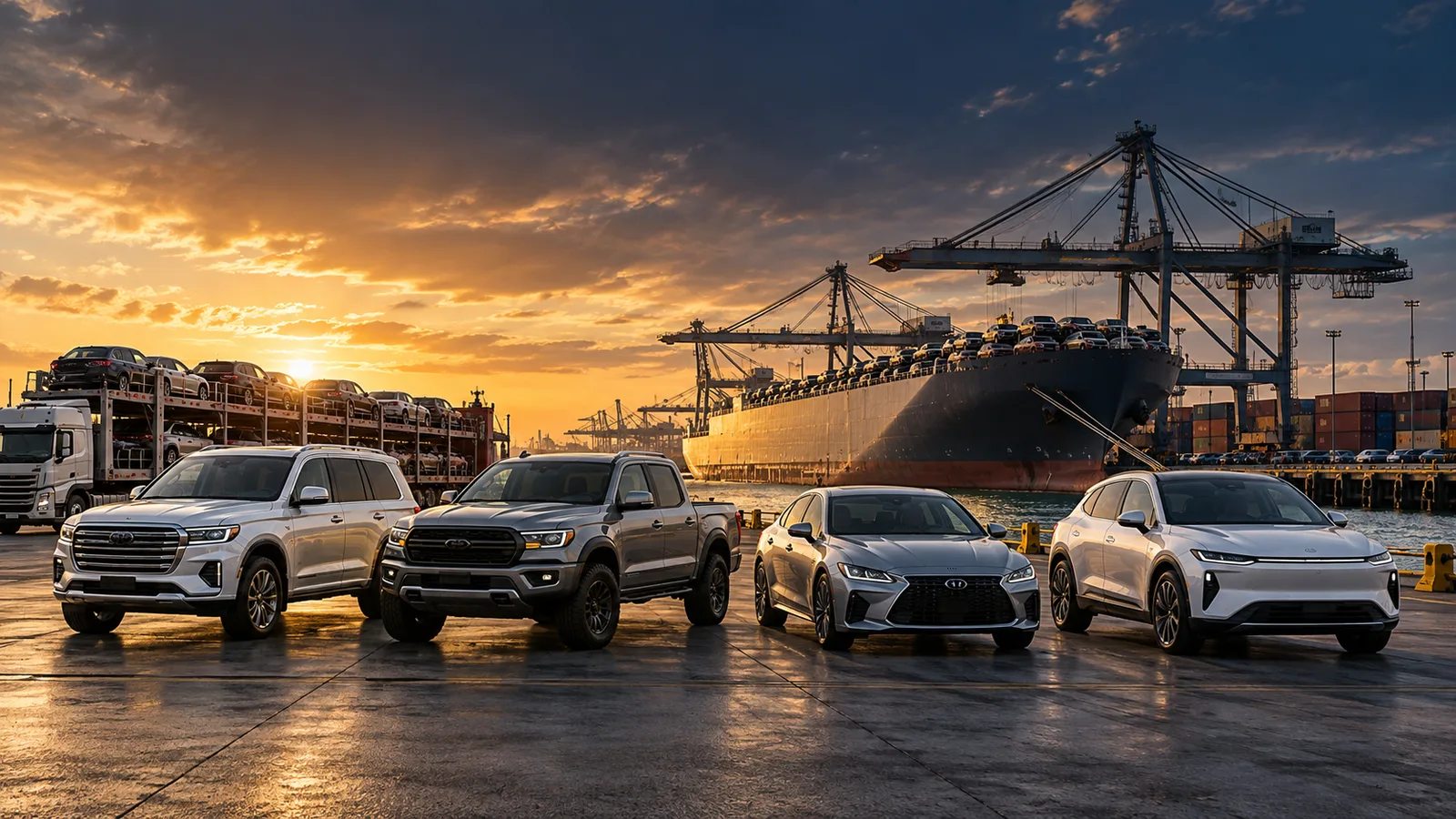
Venezuela is our busiest lane, and the questions we answer most often are the same three: which port, how long, and what does it really cost to get the car to my door. None of them have a single answer, but all three can be narrowed down before you pay a deposit.
Which port
- Puerto Cabello — the main commercial port and the usual choice for vehicle cargo, including RoRo. Deep water, the widest choice of services and the most frequent sailings from Asia.
- La Guaira — the port that serves Caracas and the centre of the country. Convenient if your customers are in the capital, but fewer vehicle-friendly services and more competition for space.
- Maracaibo and the western ports — closer to the Zulia market. Worth pricing on a case-by-case basis because the sailing options are narrower and the inland leg is shorter.
Whichever port you name, put it in writing on the quotation. "CIF Venezuela" is not a price — the difference between two ports can be several hundred dollars on the same container.
How long it takes
There is no high-frequency direct service from southern China to Venezuela, so most cargo transits via a hub such as Panama or Kingston. Thirty to forty-five days at sea is the realistic range, and the sailing frequency matters as much as the transit time: a slower service that sails every week beats a fast one that sails monthly.
Add the time on the ground. Budget a week to ten days for customs clearance and release at destination, longer during a valuation review or a holiday period. If you are working to a delivery date, build the buffer in at the start rather than discovering it at the port.
What the landed cost is made of
- The car itself, at EXW, FOB or CIF — see our guide to price terms for what the difference means.
- Inland haulage and export clearing in China, if they are not already inside the price.
- Ocean freight, plus marine insurance if you are not on CIF.
- Terminal handling and any lift-on or lift-off charges at destination.
- Customs duty, value added tax and the destination port charges, which are yours under every term.
- Storage, if the paperwork is not ready when the vessel arrives. This is the line that turns a well-priced shipment into an expensive one.
Container or RoRo
A 40HQ holds three to four cars depending on size — fewer if they are large SUVs or pickups. RoRo charges per unit and is usually the cheaper route for a single car, but it needs a rollable vessel and the sailing dates are what they are. Containers let you consolidate models, protect the cars from weather and load on the sailing you choose.
- One or two units: price RoRo and a shared container before deciding.
- Three or more: a 40HQ is normally the answer, and the per-unit cost falls with every car you fit.
- Mixed models: containers win, because RoRo is priced per unit and per size.
Tell us the models, the quantities and the destination port and we will quote EXW and CIF side by side, with the equipment and the sailing date written out.