EXW, FOB or CIF: which price term should you choose?
Ask five exporters for a price on the same car and you will get five numbers that are not comparable. That is usually not a trick — it is the price term. EXW, FOB and CIF split the same journey at different points, and until you know which point you are looking at, a 1,500 USD gap between two quotations tells you nothing.
The short version
- EXW (Ex Works) — you buy at the gate. The car is yours from the moment it leaves the seller, before it is even loaded onto a truck.
- FOB (Free On Board) — the car is yours once it is loaded on the vessel at the Chinese port. You pay the ocean freight and everything after it.
- CIF (Cost, Insurance, Freight) — the car is yours at your destination port. The seller books the vessel and pays freight and marine insurance. Duties and clearance are still yours.
EXW: cheapest on paper, most work for you
EXW sounds attractive because the number is smaller. What it does not include is exactly what a first-time importer cannot easily buy alone: inland trucking from the yard to the port, export customs declaration, terminal handling, and a booking slot on a vessel that will accept a car.
- You need your own customs broker in China, or a forwarder who will take the job on.
- You carry the risk of damage on the truck ride to the port — that is not insured by the seller.
- If the container misses the sailing, storage charges at the terminal are yours.
EXW suits importers who already run regular shipments and have a Chinese agent on retainer. For everyone else it mostly converts a fixed cost into an unpredictable one.
FOB: the default for a reason
Under FOB the seller delivers to the vessel, and the shipping line issues a bill of lading in your name. That one document matters: it is the legal title to the goods, and it is the only proof of when your car was loaded. FOB also lets you use your own freight contract, which is worth real money if you are bringing in six or more units at a time.
If you are buying your first container and you do not yet have a forwarder, the honest answer is that CIF will get you moving faster — and FOB will cost you less once you are shipping regularly.
CIF: one number, one point of contact
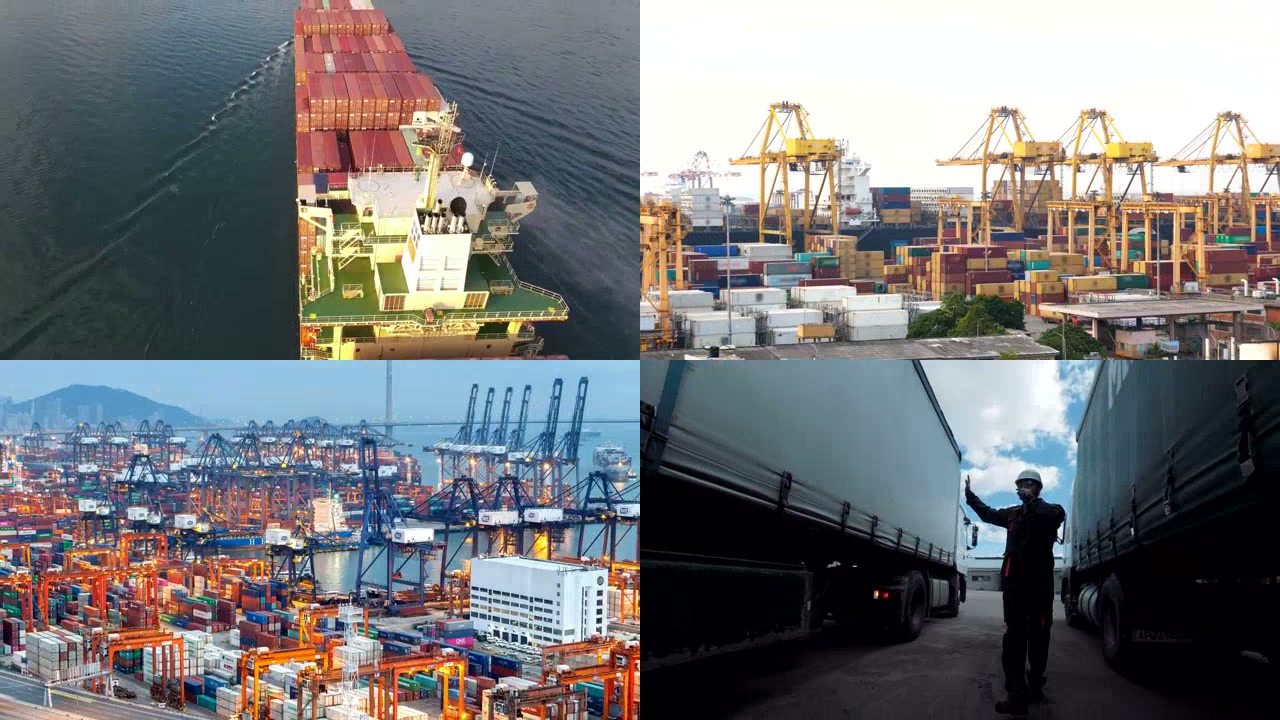
CIF rolls inland haulage, export declaration, terminal handling, ocean freight and marine insurance into a single figure to your port. Sellers who quote CIF usually have a freight contract and know which carriers will take a container of vehicles. It removes the moving parts that confuse a first shipment.
- The insurance covers your cargo to the destination port, not to your inland address.
- Unloading at the destination port, demurrage and every import charge are yours.
- Read what the quote says about the destination port — CIF to La Guaira and CIF to Puerto Cabello are not the same number.
How to compare quotes that look different
Before you can compare anything, put every offer on the same basis. Take the CIF quote and ask what the FOB price would be. Take the EXW quote and ask for the inland haulage and export clearing fees written out separately. Then compare the totals to your own port.
- Which port of destination? The name, not just the country.
- Which vessel and which sailing date? A cheap quote on a service that arrives in 70 days is not cheap.
- What is the equipment: a 40HQ, a 20GP, or RoRo? Vehicles fit differently and the price per unit changes with it.
- Is the inspection report included, or billed separately?
- Is there anything payable at destination besides the freight?
Send us the list of models and the destination port and we will give both numbers — EXW and CIF — with the equipment and the sailing date spelled out, so you can see exactly what you are paying for.